
 Click main image to view in full screen. Unlock all 28 preview images:
8D Problem Solving Process & Tools – PowerPoint PPTX Template
PowerPoint (PPTX) + Zip archive file (ZIP) 256 Slides


BENEFITS OF THIS DOWNLOADABLE POWERPOINT DOCUMENT
- Our presentation has been used and trusted by prestigious organizations like Apple, Cummins, and Saint-Gobain, ensuring its quality and effectiveness.
- The 8D process is a systematic and highly effective approach for identifying root causes, implementing corrective actions, and preventing recurrence, making it invaluable for product and process improvement.
- The package includes a detailed training presentation, report and worksheet templates, and forms, equipping you to teach employees to better understand team dynamics and solve problems with a disciplined approach.
PROBLEM SOLVING PPT TEMPLATE DESCRIPTION
[NOTE: Our 8D Problem Solving presentation has been trusted by an array of prestigious organizations, including industry leaders such as Apple, Cummins, Valeo, Saint-Gobain, Altec, Diebold, Destaco, Aptiv, SQM, Tutanota, Stratosphere Quality, Wakefield-Vette to name just a few.]
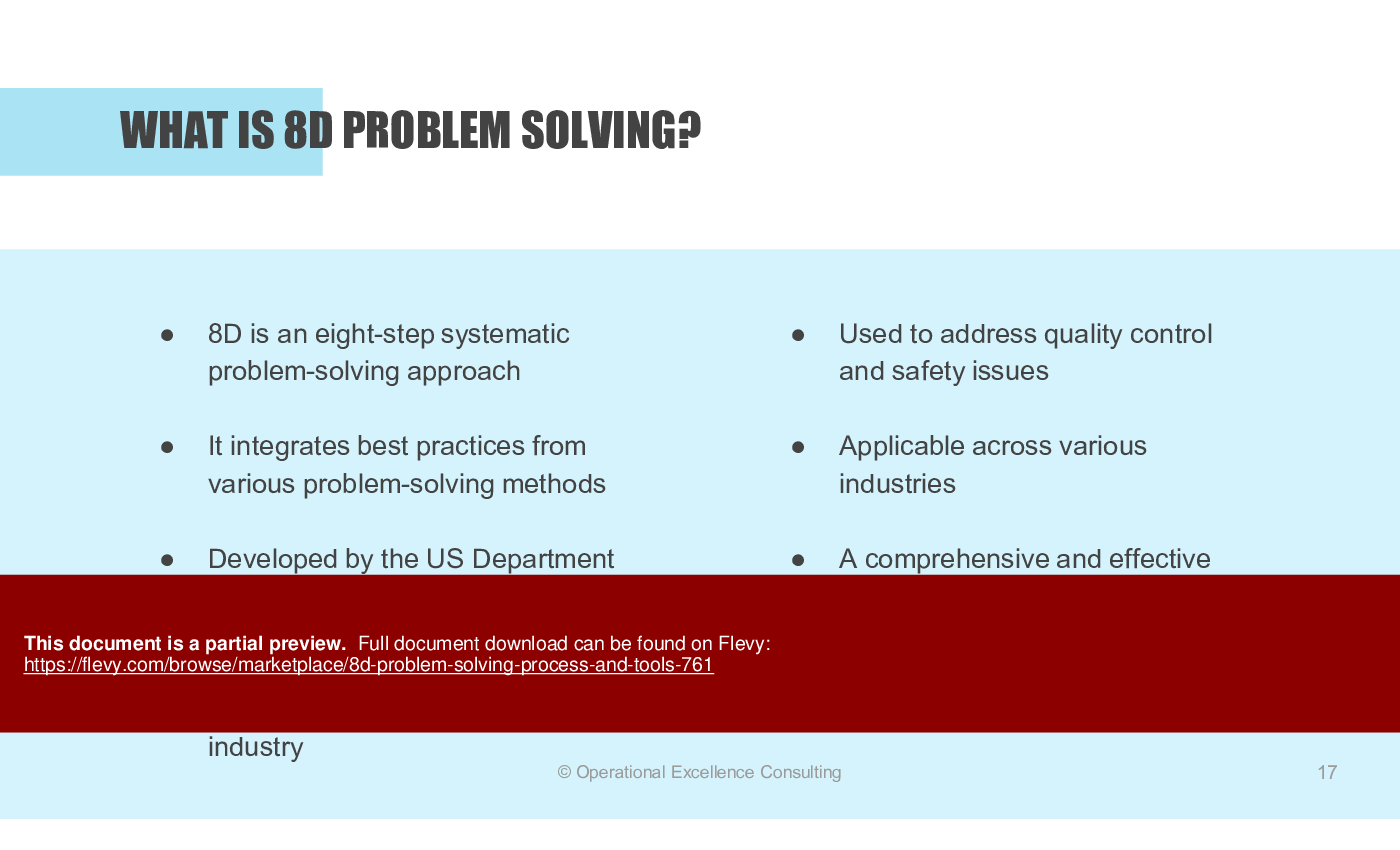
The 8D (Eight Disciplines) approach is a systematic problem solving process. Popularized by Ford, the 8D process integrates best practices from various problem-solving methods and is now a standard in the automotive industry. The 8D problem solving process has proven to be highly effective in product and process improvement.
Following the logic of the PDCA cycle, the 8D process enables problem solving teams to identify root causes, develop proper actions to eliminate root causes, and implement permanent corrective action to prevent recurrence. It includes key analytical tools such as Is/Is Not Analysis and Root Cause Analysis using 5 Whys and the Fishbone Diagram.
This highly detailed training presentation will help you to teach employees in your company or organization to better understand team dynamics and solve problems using a disciplined approach.
||||||||||||||||||||||||||||||||||||||||||||||||||||||||||||||||||||||||||||||||||||||||||||||||||||||||||||||||||||||||||||||||||||||||||||||||||||||
This training package includes:
1. 8D Problem Solving training presentation (PowerPoint format)
2. 8D Report worksheet (Word format)
3. 8D Is / Is Not worksheet (Excel format)
4. FMEA form (Excel format)
||||||||||||||||||||||||||||||||||||||||||||||||||||||||||||||||||||||||||||||||||||||||||||||||||||||||||||||||||||||||||||||||||||||||||||||||||||||
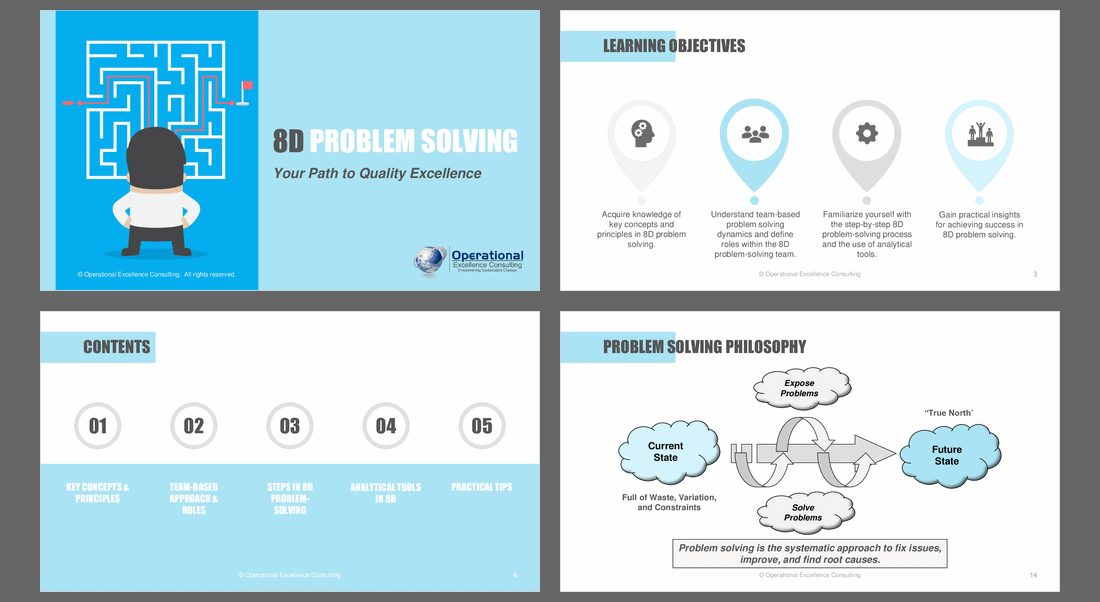
LEARNING OBJECTIVES
1. Acquire knowledge of key concepts and principles in 8D problem solving.
2. Understand team-based problem solving dynamics and define roles within the 8D problem-solving team.
3. Familiarize yourself with the step-by-step 8D problem-solving process and the use of analytical tools.
4. Gain practical insights for achieving success in 8D problem solving.
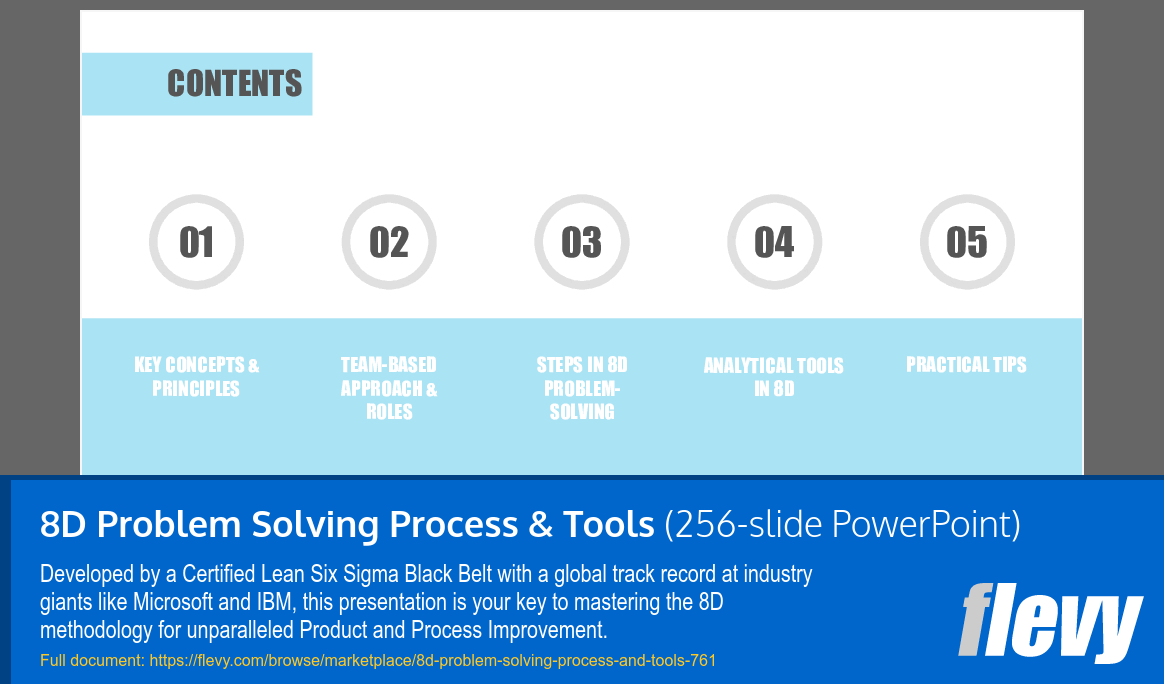
CONTENTS
1. Key Concepts and Principles
• The Blind Men and the Elephant
• The Mindset of a Traditional Problem Solver
• Common Pitfalls in Problem Solving
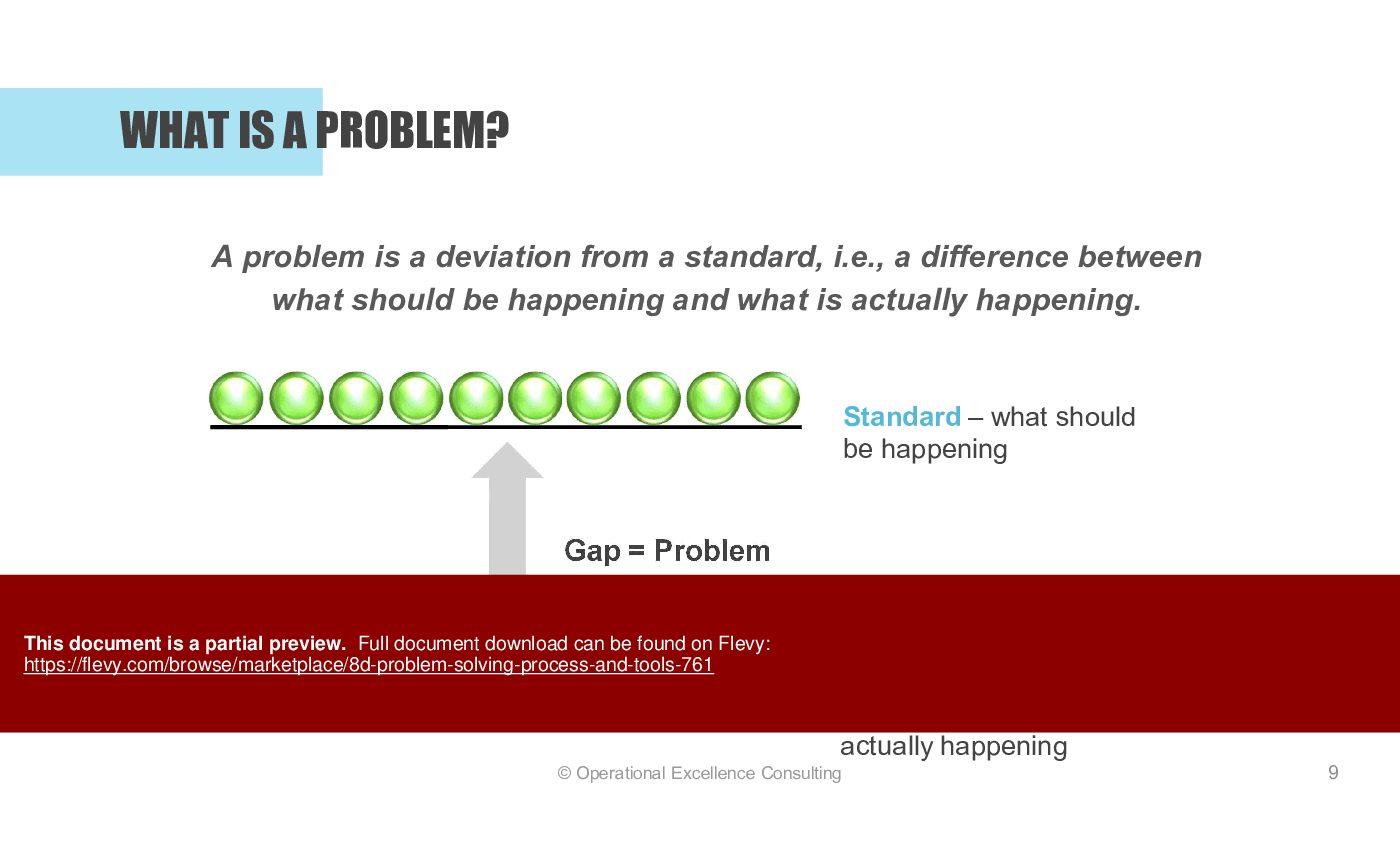
• What is a Problem?
• What is Problem Solving?
• What Problem Solving is Not
• Impact of Problem Solving
• Problem Solving Funnel
• Problem Solving Philosophy
• Benefits of Problem Solving
• What is 8D problem solving?
• Applying 8D Methodology to Problem Solving
• Why Use 8D?
• 8D Problem Solving Process
2. Team Approach and Roles
• What is a Team?
• Types of Teams
• Importance of Team-based Approach to Problem-solving
• Qualities of an Effective Team
• Team Member Ground Rules
• Tuckman's Model of Team Development Stages
• Why is Teamwork Important?
• Problem Solving Team's Maxims
• Ingredients for Problem Solving Team Success
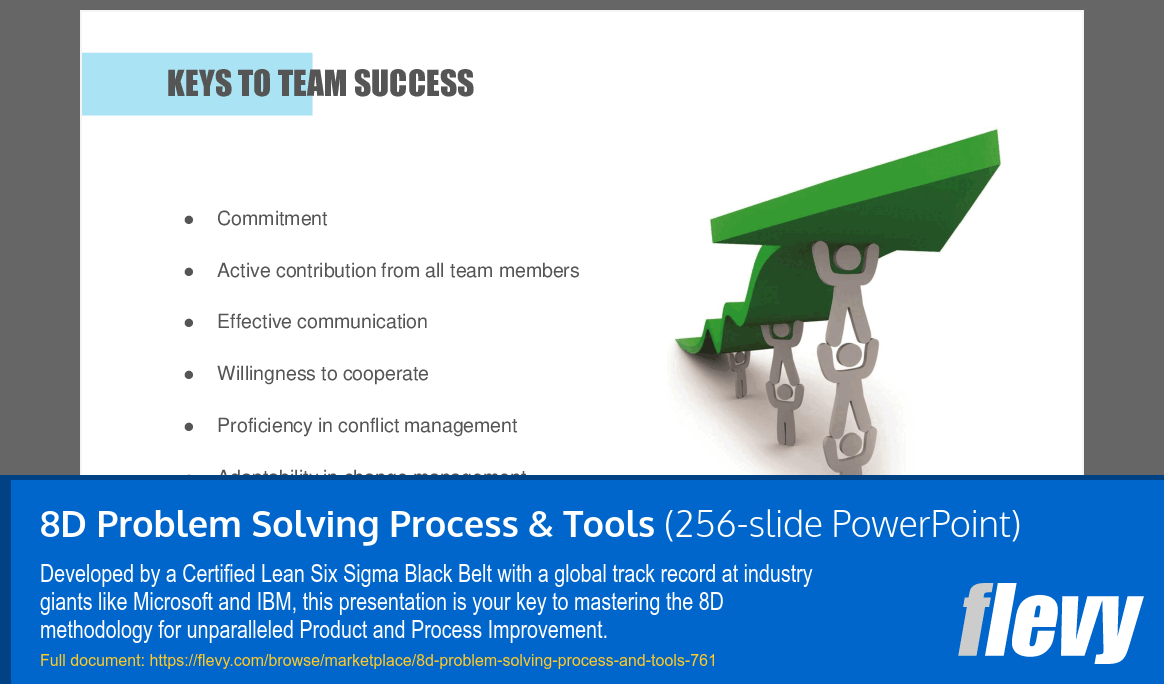
• Keys to Team Success
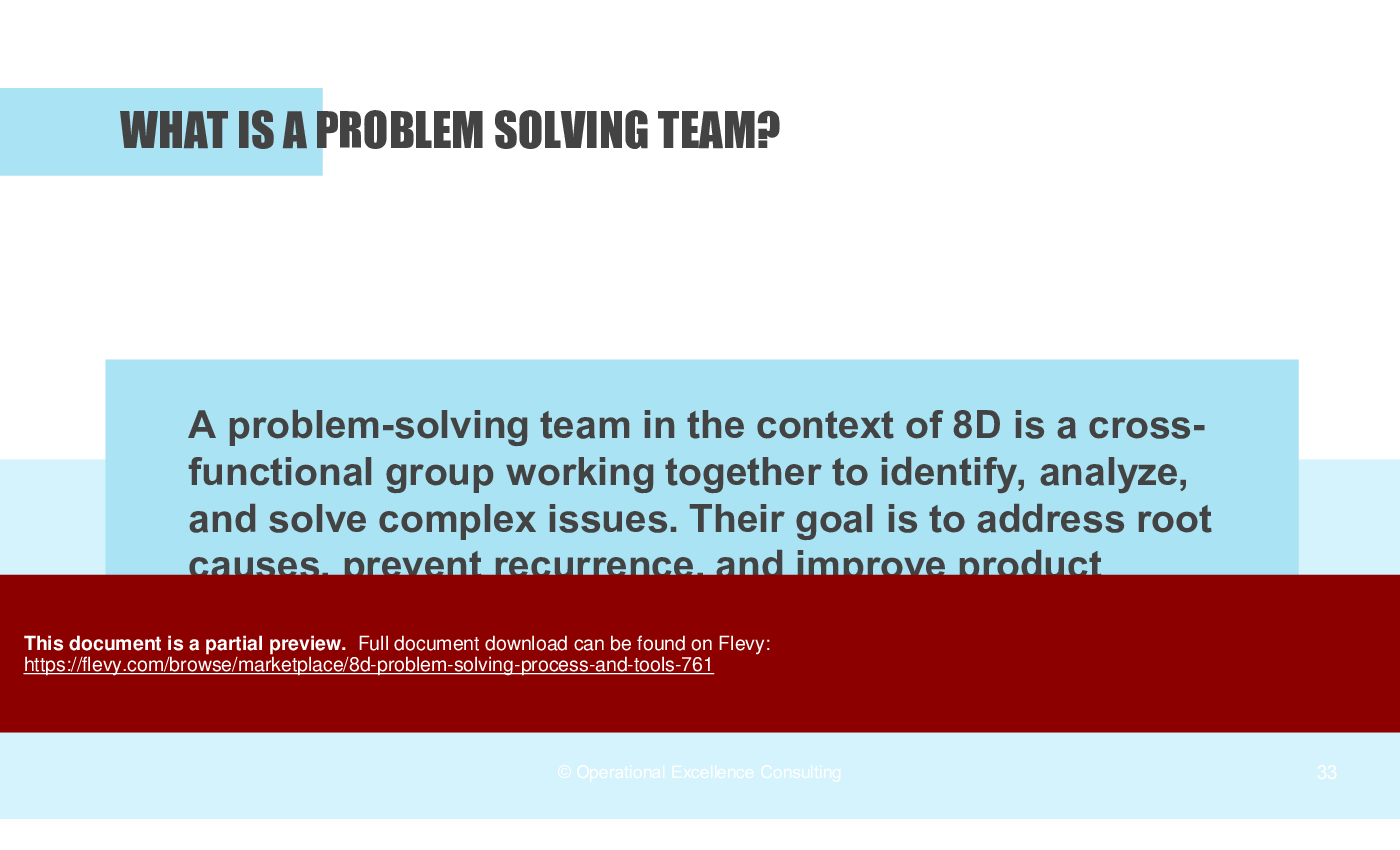
• What is a Problem Solving Team?
• Key Roles in 8D Problem Solving
3. 8D Problem Solving Process
• Popular Problem Solving Methods
• 8D Problem Solving Process
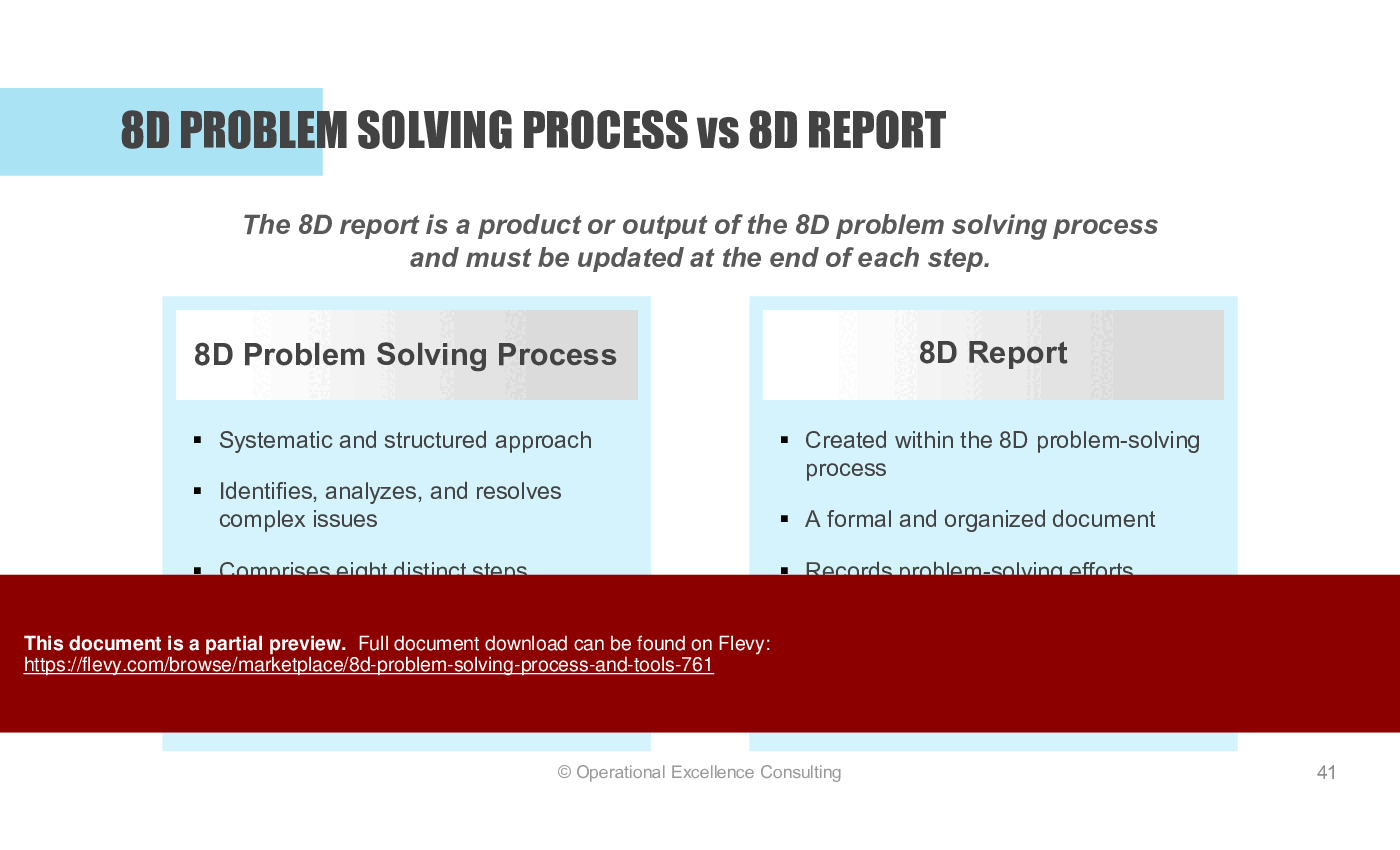
• 8D Problem Solving Process vs 8D Report
• The Importance of an 8D Report
• D0: Plan
• D1: Initiate Project Team
• D2: Define the Problem
• D3: Implement Containment Actions
• D4: Identify Root Causes
• D5: Develop and Verify Solution
• D6: Implement Corrective Actions
• D7: Prevent Recurrence
• D8: Recognize Project Team
• The 8D report: Capturing Solutions and Progress
• Sample 8D Report / Template
• Key Sections of the 8D Report
• The Role of the 8D Report
• 8D Report Templates Included (as part of this training presentation package)
4. Analytical Tools in 8D
• Brainstorming
• Affinity Diagram
• 5W2H
• Is / Is Not
• Control Chart
• 5 Whys
• Cause and Effect Diagram
• Pareto Chart
• Histogram
• Scatter Diagram
• FMEA
5. Practical Tips for Success
• Best Practices for 8D Problem Solving
This presentation provides a comprehensive overview of the 8D problem-solving methodology, emphasizing the importance of defining problems accurately and documenting findings systematically. It also highlights the critical role of team dynamics and effective communication in achieving successful outcomes.
Got a question about the product? Email us at support@flevy.com or ask the author directly by using the "Ask the Author a Question" form. If you cannot view the preview above this document description, go here to view the large preview instead.
PRESENTATION DEEP DIVE ANALYSIS
This deep-dive analysis was generated from the full 256-slide PowerPoint presentation.
Source: Best Practices in Problem Solving, 8D, Corrective and Preventative Action PowerPoint Slides: 8D Problem Solving Process & Tools PowerPoint (PPTX) Presentation Slide Deck, Operational Excellence Consulting
ABOUT THE AUTHOR

Operational Excellence Consulting, founded in 2009 by Allan Ung, draws from extensive experience at Microsoft, IBM, and Underwriters Laboratories (UL). We specialize in strategy deployment, customer experience design, and operational excellence, applying Design Thinking, Lean, and Systems Thinking to maximize customer value and minimize waste.
Our
... [read more]
Ask the Author a Question
You must be logged in to contact the author.




























This document is available as part of the following discounted bundle(s):
Save %!
8D Problem Solving Toolkit
This bundle contains 2 total documents. See all the documents to the right.
Save %!
Problem Solving Essentials Toolkit
This bundle contains 4 total documents. See all the documents to the right.